Irrigation Systems · Valves to Drip · El Monte
Irrigation Leak Detection & Repair in El Monte & Pasadena, CA
An irrigation system is a small private utility you happen to own. It has a pressurized main, a valve manifold, watering zones, and a controller running it all on a schedule. Like any utility, it can lose water at every stage, and the losses hide inside the watering you expect to pay for.
Where a System Loses Water, Stage by Stage
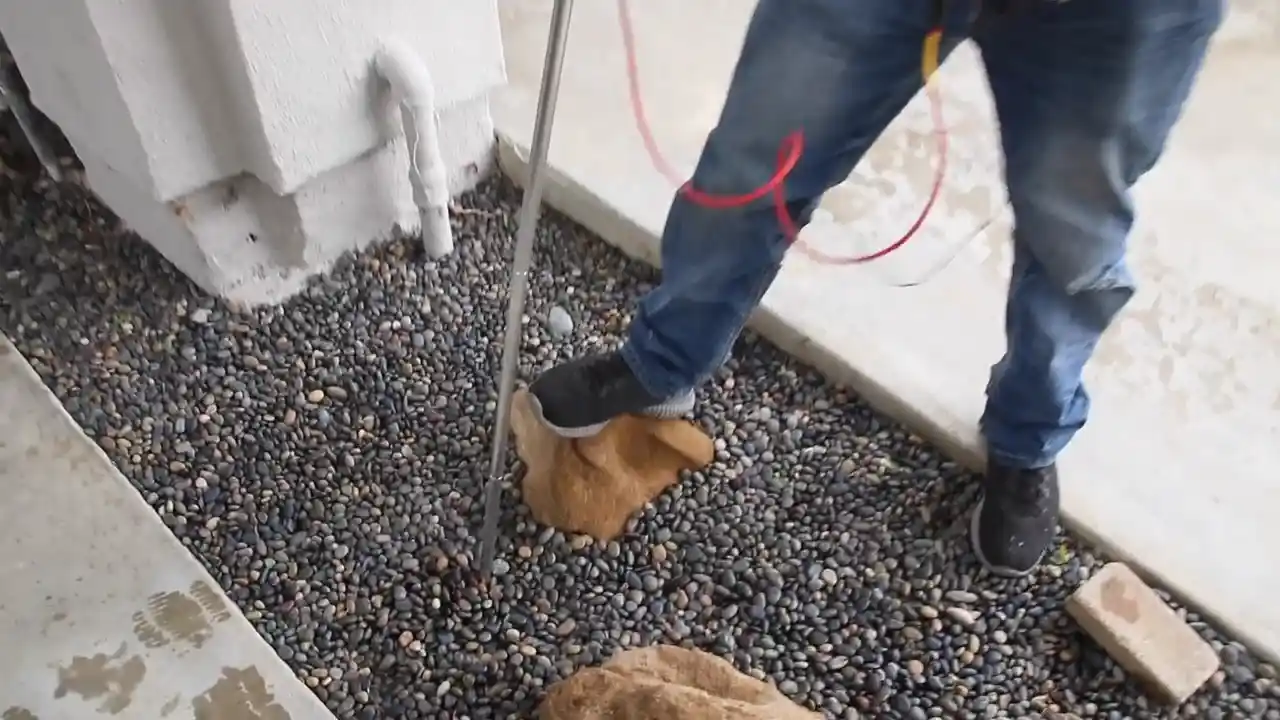
Follow the water and the failure points line up. The irrigation main runs charged around the clock from its connection near the house, so a crack there leaks 24 hours a day whether anything waters or not. The valves come next: a valve that will not seal weeps into its zone continuously, showing up as one mysteriously damp area and a meter that never fully rests. Downstream, zone laterals and emitters leak only during their scheduled minutes, which caps their waste but hides their evidence.
That structure is the whole map. When the loss shows up in time tells us where it lives in the system.
The Always-On Main: Your Biggest Exposure
The stretch between your shutoff and the valve manifold deserves special respect, because it is the only irrigation pipe under constant pressure. A failure there wastes water at service-line rates and saturates soil somewhere on the property nonstop. The test is the same meter discipline used everywhere else: house valve closed, irrigation on, meter observed. Movement isolates the loss to the irrigation side, and the always-on portion is the first suspect.
Locating and repair then follow the buried-line playbook, with the route traced and the failure marked before digging, and PVC-specific joint work handled per our plastic pipe service.
Valves: The Quiet Chronic Leakers
Irrigation valves fail politely. A worn diaphragm or a grain of grit on the seat lets a trickle pass into the zone forever. The symptom is simply one corner of the yard that never dries, plus turf that outgrows its neighbors. Weep holes in valve boxes, sunken box lids, and a manifold area that squishes underfoot all point the same way.
Valve work is satisfying: isolate, watch, rebuild or replace, then test again. A rebuilt manifold often ends a wet-spot mystery that had been blamed on everything else in the yard for a year.
The Controller Is a Suspect Too
Some irrigation waste is not a leak at all. A controller running a forgotten second program, a rain sensor that failed years ago, or a schedule set for August and never revisited can double water use with every pipe intact. Part of our system check is simply reading the controller against what the meter says the system consumes, because fixing a schedule is the cheapest repair in this trade.
Households from Duarte across the valley run decades-old controllers with programs nobody remembers writing. Ten minutes with the manual and the meter frequently recovers more water than a pipe repair would. Smart controllers help here too. A unit that reads local weather and skips watering after rain pays for itself quickly in this climate, and we can note whether yours qualifies for a utility rebate while the panel is open.
A System-Level Report, Not a Patch
Irrigation calls here end with the whole system graded: main tested, each valve cycled and checked for seal, zones observed under pressure, controller schedule reviewed, and the backflow device inspected for weeping. You get the findings in writing with the repairs priced individually, so you can fix the bleeding first and schedule the rest.
The system-level view matters because irrigation failures cluster. The same aging glue lines and the same soil movement affect every zone, and one repair with a grade sheet beats five surprise repairs across two summers. Book the system check at (626) 898-6169. A main actively geysering gets simpler advice: close the irrigation shutoff and call (626) 898-6169 now.
You own a small water utility. Run it like one: metered, tested, and graded.
✆ (626) 898-6169Irrigation System Questions From El Monte
How much water can a small irrigation leak waste?
More than most indoor leaks. A weeping valve passing a slow trickle around the clock wastes tens of gallons daily, and a cracked always-on main can lose hundreds. Because the waste hides inside expected summer watering, it often runs for a full season. Comparing this summer's usage to last summer's is the fastest way to see it.
One zone stays wet even when the system is off. What is that?
The signature of a valve that will not seal: water trickles past the diaphragm into that zone continuously. Low-head drainage after a cycle mimics it briefly, but persistent wetness days after the last run convicts the valve. A rebuild or replacement of that one valve typically ends it, and the test to confirm takes minutes.
Do you check backflow preventers?
Yes, as part of any system-level visit. Backflow devices protect your drinking water from irrigation contamination, and they also leak at their relief ports and test cocks as seals age. A weeping backflow is both a water loss and a maintenance flag. If yours drips or hisses, mention it when you call (626) 898-6169 so the right parts ride along.