Acoustic Method · Ground Microphones · El Monte
Acoustic Leak Detection in El Monte & Pasadena, CA
A pressurized leak has a voice. Water forced through a breach vibrates the pipe and the ground around it, and that sound travels through concrete and soil far better than most people expect. Acoustic detection is the craft of hearing that voice through a slab and following it to its loudest point.
The Physics: Why Escaping Water Makes Noise
Water inside a sound pipe moves quietly. Water escaping a breach does not. The pressure drop at the exit turns flow into turbulence, and turbulence into vibration: a hiss from a pinhole, a rush from a split, a rhythmic surge where water jets against soil. The pipe carries that vibration along its length like a wire, and the surrounding ground carries it upward.
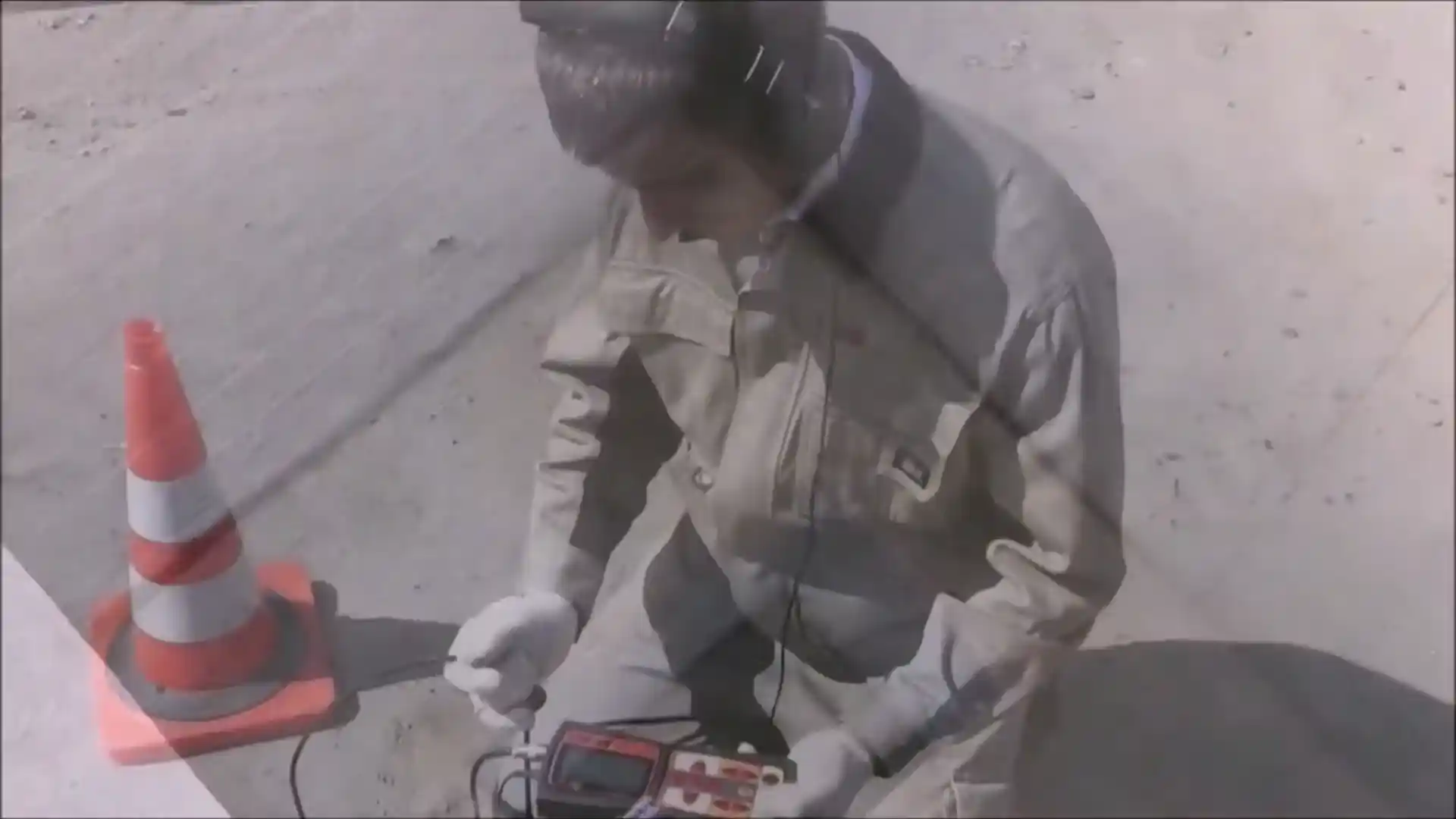
Ground microphones are built for exactly this signal. Placed on the slab or soil surface, they amplify what the ear cannot catch, filter out the world's background, and report signal strength point by point as the operator moves along the line.
How a Listening Survey Actually Runs
The survey has a rhythm. First the system gets pressurized and isolated so the leak is the only thing making noise. The pipe's route gets established, because listening off the line wastes time and invites false reads. Then the microphone walks the route in short steps, the operator logging loudness at each stop, and the readings form a curve that peaks over the breach.
Quiet matters, so surveys favor still hours: appliances off, household paused, sometimes an early morning slot for homes near busy roads. Ten minutes of silence buys accuracy that hours of noisy listening cannot.
Where Acoustic Wins in This City
Acoustic is the workhorse for El Monte's signature problem: pressurized lines under slab-on-grade concrete. Hot or cold, copper or galvanized, a slab leak with decent pressure behind it sings clearly enough to be marked within inches, which is why this method leads most of our slab leak locates. It performs just as well on buried metallic service lines under lawns from East El Monte to the city's west edge.
The method's appetite is simple: pressure and a path for sound. Give it both and it is fast, precise, and completely non-destructive.
What Acoustic Cannot Hear, Said Plainly
Honesty about limits is part of the craft. Gravity drains barely whisper, so acoustic contributes little on waste lines. Very deep pipe, saturated soil, and heavy surface noise all soak up signal. Plastic pipe transmits vibration poorly compared to metal, muting the voice acoustic depends on. And a leak with the pressure already bled off has no turbulence left to hear.
Those cases do not end the hunt; they route it. Quiet plastic goes to gas tracing, route uncertainty goes to signal tracing first, and marginal reads get cross-checked with a second method before anyone cuts. Knowing when to switch tools is half of what you hire.
Help the Microphone Before We Arrive
You can set the stage for a better survey with three easy steps. Do not run water for an hour before the visit, so the leak's own sound stands alone. Note where the floor feels warm or where you hear the hiss at night, and mark those spots with tape. And if you know when the house is quietest, say so when you book. A calm house at the right hour gives the microphone its best day, and you a tighter mark.
What You Get From an Acoustic Visit
The deliverable is a mark and its evidence: the leak's location painted or taped on the surface, the readings that support it, photos, and a written confidence level with the repair quote. High-confidence marks proceed straight to repair. Marginal ones get flagged as marginal, with the cross-check recommended before concrete opens, because a wrong hole costs more than a second test.
To book, dial (626) 898-6169; most listening surveys inside the city run same-day or next-day. If your floor is warm or your meter spins tonight, the sooner the survey, the smaller the soak: (626) 898-6169.
Your leak is talking through the concrete right now. We bring the microphone.
✆ (626) 898-6169Acoustic Detection Questions From El Monte
How accurate is acoustic leak detection?
On pressurized metallic lines under typical El Monte slabs, marks are routinely accurate to within a foot and often to inches. Depth, soil saturation, pipe material, and background noise each cost some precision, which is why every mark comes with a stated confidence level rather than a blanket promise. Marginal cases get a second method before anyone cuts.
Will you need my house silent during the survey?
Quieter is better, and the operator will ask to pause appliances, HVAC, and household traffic for the listening passes. It usually means twenty to forty minutes of hush rather than an afternoon. Homes on loud corners sometimes book early-morning slots, since street noise is the one variable nobody's remote control can pause.
Can acoustic detection find a drain leak?
Rarely, and we say so upfront. Drains run by gravity, so they lack the pressure turbulence that gives acoustic its signal. Waste-side suspects go to dye testing, camera inspection, and isolation instead. If your symptom tracks fixture use rather than running constantly, mention it at (626) 898-6169 and the right method comes out first.