
Disposals · Drip Triage · El Monte & Pasadena, CA
Garbage Disposal Leak Repair in El Monte & Pasadena, CA
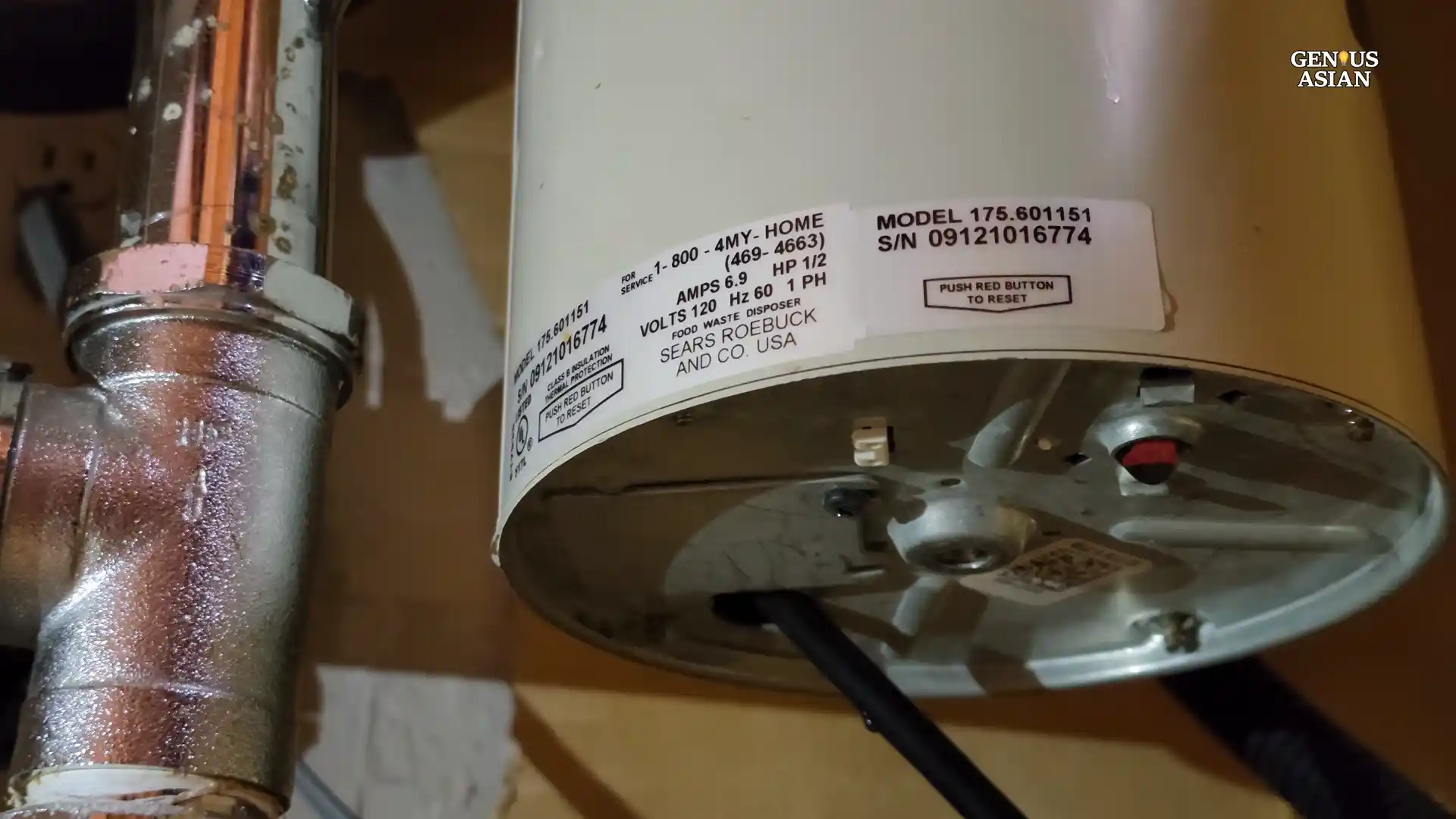
Where the drip exits a garbage disposal names the repair before any tool comes out. Water from the top means the sink flange. Water from the side means a connection. Water from the bottom housing means the unit itself is done. Three zones, three completely different answers, one flashlight to tell them apart.
Zone One: The Top, Where the Sink Meets the Machine
A disposal hangs from the sink on a mounting ring sealed with plumber's putty or a gasket, and that seal is the top zone's only defense. When it dries, shrinks, or was starved of putty at installation, sink water tracks down the outside of the unit. It drips from wherever it lets go, usually the bottom, lying about its origin.
The test is simple. Wipe a dry paper towel upward along the unit, and if the moisture begins at the flange rather than lower down, the top seal stands convicted. The repair is honest work rather than parts, since resealing means dropping the unit, cleaning both surfaces, and remounting with fresh putty and even torque on the ring.
Zone Two: The Side, Where Everything Connects
The side of a disposal is a small junction box of water paths. The dishwasher drain hose clamps onto its inlet, and a split hose or lazy clamp weeps there with every dishwasher cycle. The discharge tube carries everything to the trap through a flange gasket that flattens with age. Each connection leaks on its own schedule, tied to whichever appliance feeds it.
Timing separates them cleanly. Drips during dishwasher drain cycles point at the inlet. Drips whenever the sink runs point at the discharge. Both are gasket-and-clamp repairs, quick when correctly named, and both connect onward to the trap territory covered under sink leak service.
Zone Three: The Bottom, Where Verdicts Are Final
Water seeping from the bottom housing itself, from seams or the reset button area, means the internal seal between the grinding chamber and the motor has failed. There is no gasket to swap; the unit's interior is compromised, and corrosion finishes what the seal started. A bottom-zone leak is a replacement, full stop, and any repair sold against it is borrowed time.
There is consolation. Replacement is quick, and stepping up in grind quality while the mounting is already open costs surprisingly little extra. We quote the swap on the spot when the bottom zone is the verdict.
The Leaks That Only Look Like the Disposal
Plenty of "disposal leaks" acquit the disposal. A faucet base leak runs down the supply lines and drips off the unit. A failed basket strainer on the non-disposal bowl wets the shared cabinet. A dishwasher air gap overflowing at the counter finds its way down. Because the disposal hangs at the cabinet's low point, it collects blame for everything above it.
Our under-sink check runs each water path separately before naming the disposal, the same isolation discipline used everywhere else. Where the trail leads into the drain arm beyond the trap, it continues under drain line testing.
Age, Rust, and the Replacement Math
Disposals in this city live eight to twelve years on average, hard water shortening the high end as scale and corrosion work the internals. A unit past that window with any leak deserves the honest question, even when the zone is repairable. Reseal a machine in its final years, or put the labor toward its successor while the sink is already apart? Households across central El Monte face that math weekly, and we lay out both numbers without leaning on the scale.
Whichever zone your drip lives in, the diagnosis takes minutes with the right sequence: (626) 898-6169 books it, usually same-day. A disposal humming, smoking, or tripping the breaker while it leaks skips the queue entirely: switch it off at the wall and call (626) 898-6169.
Top, side, or bottom: grab a flashlight, find the zone, and the repair names itself.
✆ (626) 898-6169Disposal Questions From El Monte Kitchens
Can I keep using a disposal that leaks from the bottom?
You can run it briefly, but every use pushes water past the failed internal seal toward the motor windings, and the cabinet below pays either way. Treat a bottom-zone leak as a stop-using verdict: put a pan under it, run the other bowl, and schedule the replacement. The unit is not coming back, and the cabinet is worth protecting.
Why does it only leak when the dishwasher runs?
That schedule convicts the dishwasher inlet on the disposal's side: the hose, its clamp, or the inlet nipple itself. It is one of the cleanest timing diagnoses in the kitchen and one of the quickest fixes. If a plug knockout was never fully cleared at installation, backflow issues join the story, and we check that in the same visit.
Is putty or a gasket better for the sink flange?
Both seal well when installed correctly; the failure mode is almost always technique rather than material. Putty needs a full ring and even ring-nut torque, gaskets need clean mating surfaces and the right stack order. We reseal with what the sink and flange design call for, and the wipe-test after refill proves it before we pack up. Questions on yours: (626) 898-6169.